
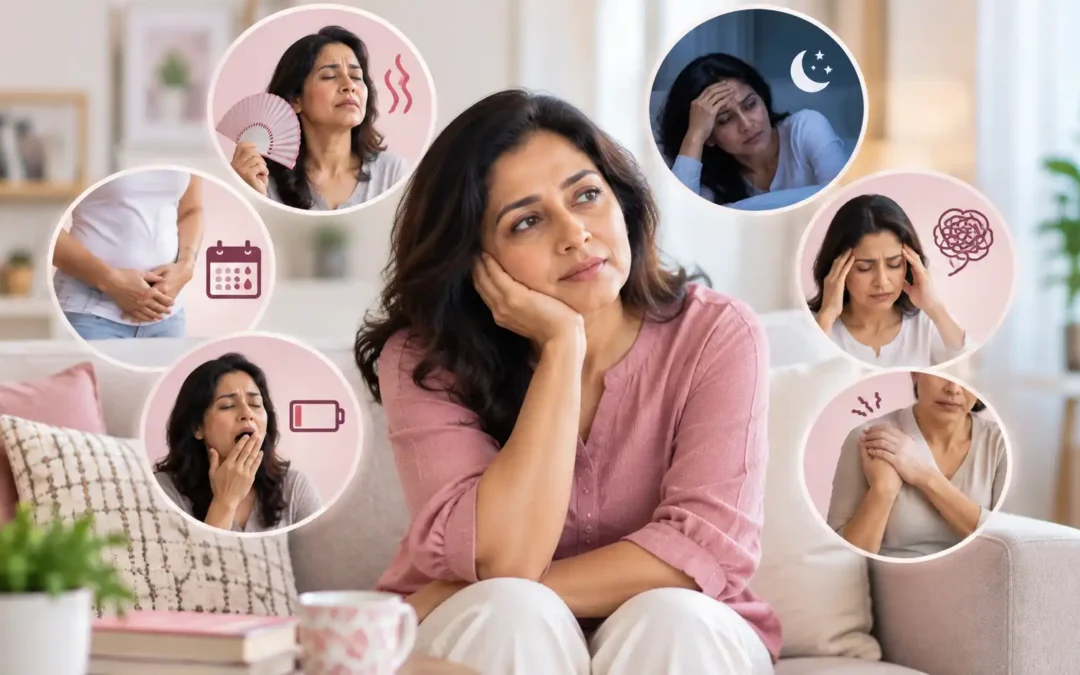
“Is This Just Age… Or Could It Be Menopause?”
One day, your periods become irregular.
A few weeks later, you suddenly feel a wave of heat spreading across your face and body. Nights become uncomfortable because of excessive sweating, your sleep is interrupted, and small things seem to affect your mood more than before.
Many women wonder,
“Is something wrong with me?”
The answer is often reassuring.
These changes may simply be part of menopause, a natural phase in every woman’s life.
Menopause is not a disease—it is a biological transition that marks the end of the reproductive years. However, the hormonal changes that occur during this time can lead to a variety of physical, emotional, and psychological changes that differ from one woman to another.
The good news is that today’s women have many effective options to Manage Menopause Symptoms, ranging from healthy lifestyle changes to modern medical treatments when required. The right approach depends on your symptoms, overall health, and personal preferences.
Dr. Arohi, an experienced Menopause Specialist in Thane, believes every woman deserves compassionate, personalised, and evidence-based care during every stage of life. She completed her MS in Obstetrics and Gynaecology from Grant Medical College and JJ Group of Hospitals, Mumbai, earned her DNB from the National Board of Examinations, and further specialised with a Fellowship in Gynaec Endoscopy under the guidance of Dr. Haresh Vaghasia (MD, DPE–Austria, DHS–Italy). She is committed to helping women transition through menopause with confidence while maintaining their overall health and quality of life.
Understanding Menopause: More Than Just Stopping Periods
Menopause is officially diagnosed when a woman has not had a menstrual period for 12 consecutive months, provided there is no other medical cause.
It usually occurs between the ages of 45 and 55 years, although the timing can vary.
Before menopause, many women experience perimenopause, a transition phase during which hormone levels fluctuate, often causing noticeable symptoms even before periods stop completely.
Why Do Menopause Symptoms Occur?
As women age, the ovaries gradually produce lower levels of estrogen and progesterone.
These hormonal changes affect multiple organs and body systems, which is why menopause involves much more than changes in the menstrual cycle.
The intensity of symptoms varies widely. Some women experience only mild discomfort, while others find that menopause significantly affects their daily activities.
Recognizing the Early Signs of Menopause
The first symptoms are not always obvious.
Some women notice changes gradually over several months or even years.
Common Menopause Symptoms include:
- Irregular menstrual cycles
- Hot flashes
- Night sweats
- Mood swings
- Sleep disturbances
- Fatigue
- Vaginal dryness
- Reduced sexual comfort
- Difficulty concentrating
- Memory lapses
- Joint aches
- Reduced energy levels
Not every woman experiences all these symptoms, and their severity can vary considerably.
Simple Lifestyle Changes That Can Make a Big Difference
Many women can successfully Manage Menopause Symptoms by adopting healthier daily habits.
Stay Physically Active
Regular exercise may help improve:
- Mood
- Sleep quality
- Bone health
- Weight management
- Heart health
- Energy levels
Even activities such as walking, yoga, swimming, or light strength training can be beneficial.
Choose a Balanced Diet
A nutritious diet supports overall health during menopause.
Include:
- Fresh fruits and vegetables
- Whole grains
- Protein-rich foods
- Calcium-rich foods
- Vitamin D sources
- Healthy fats
Limiting highly processed foods, excessive sugar, and excessive caffeine may help some women feel better.
Prioritise Quality Sleep
Hormonal changes can disrupt sleep patterns.
Helpful habits include:
- Maintaining a regular sleep schedule
- Reducing screen time before bed
- Keeping the bedroom cool
- Avoiding heavy meals late at night
Better sleep often improves mood and overall well-being.
Reduce Daily Stress
Stress may make hot flashes, anxiety, and sleep disturbances feel more intense.
Simple stress-management techniques include:
- Deep breathing
- Meditation
- Yoga
- Spending time outdoors
- Engaging in enjoyable hobbies
- Talking with family or friends
Emotional health is an important part of menopause care.
Not Every Woman Needs Medication
One of the biggest misconceptions is that every woman going through menopause requires hormone treatment.
In reality, treatment depends on:
- The severity of symptoms
- Age
- Medical history
- Personal preferences
- Overall health
Many women experience good symptom control through lifestyle measures alone, while others may benefit from medical therapies recommended by their doctor.
The best treatment plan is always individualised rather than following a one-size-fits-all approach.
Menopause Is Also a Time to Focus on Long-Term Health
Beyond symptom relief, menopause is an opportunity to pay closer attention to your overall health.
Regular medical check-ups can help monitor:
- Bone health
- Heart health
- Blood pressure
- Blood sugar
- Weight
- Breast health
- Gynaecological well-being
Taking preventive steps during this stage can contribute to healthier ageing.
You Don’t Have to Accept Every Symptom as ‘Normal Ageing’
Many women silently tolerate hot flashes, poor sleep, mood changes, or vaginal discomfort because they believe these problems are simply part of getting older.
While menopause is a natural stage of life, persistent or bothersome symptoms deserve medical attention. Effective treatment options are available, and no woman should feel that she has to suffer in silence.
When Lifestyle Changes Aren’t Enough: Exploring Medical Treatment Options
While healthy habits can significantly Manage Menopause Symptoms, some women continue to experience symptoms that interfere with their work, sleep, relationships, or overall quality of life.
In such cases, medical treatment may be the next step.
After evaluating your health, symptoms, and medical history, your gynaecologist may recommend one or more treatment options that are safe and appropriate for you.
Treatment is always personalised—what works well for one woman may not be suitable for another.
Hormone Therapy: Is It the Right Choice for Everyone?
Hormone Replacement Therapy (HRT), also known as Menopausal Hormone Therapy (MHT), is one of the most effective treatments for certain menopause symptoms, particularly hot flashes and night sweats.
However, hormone therapy is not recommended for every woman.
Before suggesting HRT, your doctor will carefully assess factors such as:
- Age
- Time since menopause
- Medical history
- Family history
- Breast health
- Heart health
- Risk of blood clots
- Existing medical conditions
For many women, the benefits outweigh the risks, while others may be better suited to non-hormonal treatments. A detailed consultation helps determine the safest option.
Beyond Hormones: Other Medical Treatments That May Help
Not every woman requires hormone therapy.
Depending on your symptoms, your doctor may suggest:
Medicines for Hot Flashes
Certain non-hormonal medications can help reduce the frequency and severity of hot flashes.
Treatment for Vaginal Dryness
Vaginal moisturisers, lubricants, or local hormonal therapies may help improve vaginal comfort and reduce pain during intercourse when appropriate.
Bone Health Support
Calcium, Vitamin D supplementation, and medications to strengthen bones may be recommended for women at risk of osteoporosis.
Managing Mood and Sleep Changes
If menopause significantly affects emotional health or sleep, your doctor may recommend appropriate treatment or counselling based on your individual needs.
Looking After Your Bones and Heart After Menopause
Menopause is not just about managing symptoms—it is also about protecting long-term health.
As estrogen levels decline, women may become more vulnerable to:
- Osteoporosis
- Heart disease
- High blood pressure
- High cholesterol
- Type 2 diabetes
Regular health check-ups, healthy eating, exercise, and timely medical care can help reduce these risks and support healthy ageing.
Don’t Ignore These Symptoms During Menopause
Although menopause is a natural phase of life, certain symptoms should never be overlooked.
Consult your gynaecologist if you experience:
- Heavy or prolonged bleeding
- Bleeding after menopause
- Severe pelvic pain
- Persistent hot flashes affecting daily life
- Difficulty sleeping for prolonged periods
- Significant mood changes
- Pain during intercourse
- Recurrent urinary symptoms
- Any new breast lump or concerning breast changes
Early evaluation helps identify whether the symptoms are related to menopause or another medical condition requiring treatment.
Healthy Menopause Is About More Than Symptom Control
Managing menopause isn’t only about reducing hot flashes or regulating sleep.
It is also about maintaining:
- Strong bones
- A healthy heart
- Emotional well-being
- Sexual health
- Healthy body weight
- Confidence and quality of life
With the right support, many women continue to lead active, productive, and fulfilling lives throughout and beyond menopause.
Meet Dr. Arohi – Menopause Specialist in Thane
Every woman’s menopause journey is unique, which is why personalised medical care is so important.
Dr. Arohi is an experienced Menopause Specialist in Thane, dedicated to helping women navigate hormonal changes with confidence, comfort, and evidence-based treatment.
Her qualifications include:
- MS in Obstetrics and Gynaecology from Grant Medical College and JJ Group of Hospitals, Mumbai
- Diplomate of National Board (DNB) from the National Board of Examinations
- Fellowship in Gynaec Endoscopy under the guidance of Dr. Haresh Vaghasia (MD, DPE–Austria, DHS–Italy)
Dr. Arohi believes in ethical, compassionate, and patient-centred care. She supports women through every stage of life—from adolescence to menopause—offering personalized treatment plans that combine medical expertise with the latest advances in women’s healthcare.
Why Women Choose Dr. Arohi for Menopause Care
Women trust Dr. Arohi because she understands that menopause affects much more than hormones.
Her approach includes:
- Personalised menopause care
- Detailed symptom assessment
- Evidence-based treatment plans
- Lifestyle guidance
- Modern medical management
- Long-term preventive health counselling
- Compassionate and ethical patient care
She believes that understanding a woman’s lifestyle, medical history, and expectations is essential to creating the right menopause management plan.
Frequently Asked Questions
1. At what age does menopause usually begin?
Most women experience menopause between 45 and 55 years of age, although the exact age varies from person to person.
2. How long do menopause symptoms last?
The duration varies widely. Some women experience symptoms for a few months, while others may continue to have symptoms for several years.
3. Is hormone therapy safe?
Hormone therapy is safe and effective for many women when prescribed after a proper medical evaluation. Your doctor will determine whether it is suitable based on your individual health profile.
4. Can menopause cause weight gain?
Hormonal changes, ageing, and reduced muscle mass may contribute to weight gain during menopause. A healthy diet and regular exercise can help maintain a healthy weight.
5. Are hot flashes a normal part of menopause?
Yes. Hot flashes are among the most common Menopause Symptoms, although their frequency and severity differ from one woman to another.
6. Can menopause affect emotional health?
Yes. Hormonal changes may contribute to mood swings, anxiety, irritability, or sleep disturbances. Persistent emotional symptoms should be discussed with your doctor.
7. Is bleeding after menopause normal?
No. Any vaginal bleeding after menopause should always be evaluated promptly by a gynaecologist, as it may indicate an underlying condition that requires investigation.
8. When should I consult a Menopause Specialist in Thane?
If you’re experiencing troublesome Menopause Symptoms, irregular bleeding, hot flashes, sleep disturbances, vaginal dryness, or simply need guidance through this stage of life, consult Dr. Arohi, an experienced Menopause Specialist in Thane, for personalised evaluation and comprehensive care.
Menopause is a natural transition, but that doesn’t mean you have to live with symptoms that affect your comfort or quality of life. From simple lifestyle changes to advanced medical treatments, there are many effective ways to Manage Menopause Symptoms and stay healthy, active, and confident.
If menopause symptoms are interfering with your daily life, seek timely medical advice. With the right care and guidance, you can navigate this phase comfortably and focus on enjoying the years ahead.
Consult Dr. Arohi, a trusted Menopause Specialist in Thane, for compassionate, evidence-based care tailored to your individual health needs.
