
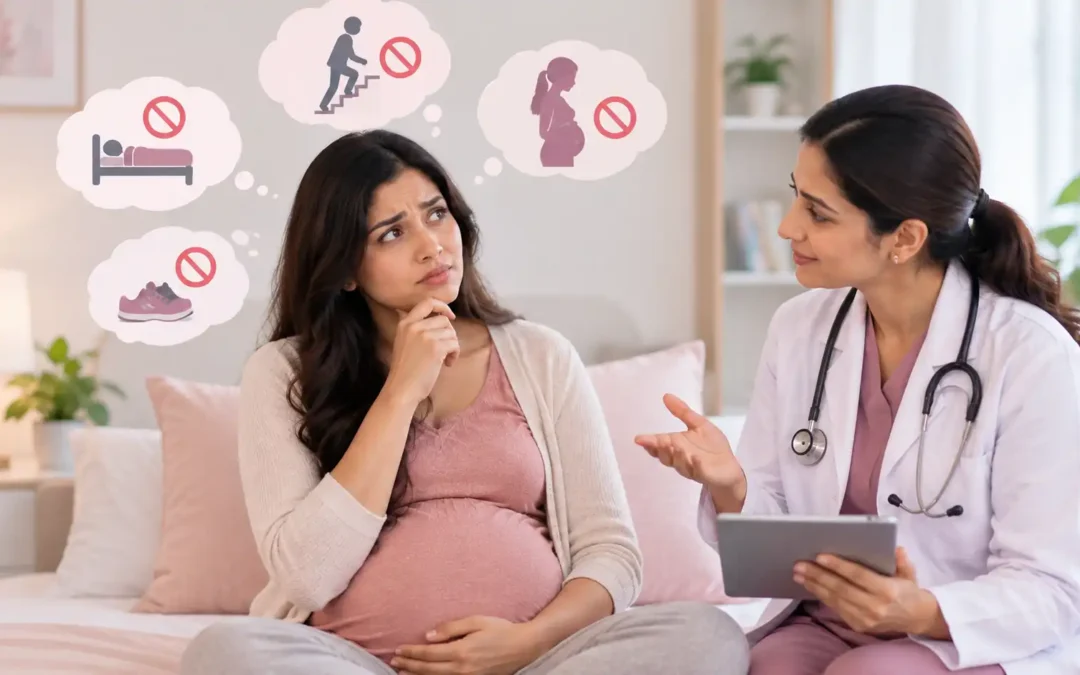
“Everyone Told Me to Stay in Bed… But Is Complete Bed Rest Really Necessary?”
The moment a woman announces her pregnancy, advice starts pouring in from every direction.
“Don’t climb stairs.”
“Don’t walk too much.”
“Stay in bed to protect the baby.”
“The more you rest, the safer your pregnancy will be.”
While these suggestions often come from love and concern, not all of them are supported by medical evidence.
One of the biggest misconceptions is that every pregnant woman needs prolonged Bed Rest During Pregnancy. In reality, complete bed rest is rarely recommended for most healthy pregnancies. In fact, unnecessary bed rest can sometimes do more harm than good by affecting muscle strength, blood circulation, mental well-being, and overall health.
Every pregnancy is unique. Some women may need activity restrictions because of specific medical conditions, while many can safely continue with their daily routine after consulting their obstetrician.
Understanding when rest is helpful—and when it isn’t—can help expectant mothers enjoy a healthier and more confident pregnancy.
Dr. Arohi, an experienced Pregnancy Specialist in Thane, provides personalised pregnancy care tailored to every mother’s health and her baby’s development. She completed her MS in Obstetrics and Gynaecology from Grant Medical College and JJ Group of Hospitals, Mumbai, earned her DNB from the National Board of Examinations, and further specialised with a Fellowship in Gynaec Endoscopy under the guidance of Dr. Haresh Vaghasia. She believes in ethical, compassionate care and supports women from adolescence to menopause using evidence-based medicine and modern advances in obstetrics and gynaecology.
Let’s separate myths from facts about Bed Rest During Pregnancy.
Is Bed Rest Recommended for Every Pregnant Woman?
The simple answer is No.
For women with a healthy pregnancy, complete bed rest is generally not necessary.
Most expectant mothers can continue their normal day-to-day activities, including:
- Walking
- Household activities
- Office work (if medically appropriate)
- Light exercise recommended by their doctor
The level of activity depends on individual health, pregnancy progress, and medical advice.
Why Was Bed Rest Commonly Recommended Earlier?
Years ago, bed rest was frequently prescribed for several pregnancy-related concerns because doctors hoped reducing physical activity would lower the risk of complications.
However, over the years, research has shown that routine bed rest has limited proven benefits for many pregnancy conditions.
Today, obstetricians recommend bed rest only in selected situations where the potential benefits outweigh the risks.
This shift highlights the importance of personalised medical care rather than following outdated advice.
When Might Activity Restriction Be Necessary?
Although routine bed rest is uncommon, certain high-risk pregnancies may require reduced physical activity or temporary rest.
Examples include:
- Heavy vaginal bleeding during pregnancy
- Certain placental conditions
- Cervical insufficiency in selected cases
- Severe pregnancy-related complications
- Preterm labour symptoms requiring hospital management
- Specific medical conditions affecting the mother or baby
The type and duration of activity restriction vary depending on the individual clinical situation.
Only your obstetrician can determine whether activity restriction is necessary.
Can Too Much Bed Rest Be Harmful?
Yes.
Remaining in bed for prolonged periods without a medical reason may lead to several problems.
Possible effects include:
- Muscle weakness
- Back pain
- Reduced stamina
- Constipation
- Increased risk of blood clots
- Poor circulation
- Sleep disturbances
- Anxiety or emotional stress
This is one of the reasons doctors now encourage appropriate movement whenever it is safe during pregnancy.
What Activities Are Usually Safe During a Healthy Pregnancy?
For women with uncomplicated pregnancies, many daily activities are generally considered safe after medical approval.
These may include:
- Walking
- Prenatal stretching
- Light household work
- Desk-based office work
- Gentle pregnancy exercises
- Routine daily movement
The goal is to remain active without overexertion.
Always consult your obstetrician before starting or continuing any exercise programme during pregnancy.
Listening to Your Body Matters
Every pregnancy feels different.
Some women feel energetic throughout pregnancy, while others experience fatigue, nausea, or discomfort.
Learning to recognise your body’s signals is important.
Take breaks when needed, stay hydrated, maintain healthy nutrition, and avoid pushing yourself beyond your comfort level.
Being active does not mean ignoring rest—it means maintaining the right balance.
Pregnancy Precautions Are More Than Just Rest
A healthy pregnancy depends on many factors besides physical activity.
Important Pregnancy Precautions include:
- Attending regular antenatal check-ups
- Eating a balanced diet
- Taking prescribed supplements
- Staying hydrated
- Managing existing medical conditions
- Getting adequate sleep
- Reporting unusual symptoms promptly
These measures contribute far more to a healthy pregnancy than unnecessary bed rest alone.
Don’t Follow Pregnancy Advice Without Medical Guidance
Family traditions and well-meaning advice can sometimes create unnecessary fear.
Every pregnancy is different, and recommendations that were appropriate for one woman may not apply to another.
Instead of following general advice from friends, relatives, or social media, personalized guidance from a qualified obstetrician who understands your pregnancy and medical history.
When Your Doctor May Actually Recommend Bed Rest
Although routine Bed Rest During Pregnancy is no longer advised for every expectant mother, there are certain situations where reducing physical activity may be beneficial.
Depending on your medical condition, your obstetrician may recommend:
- Modified activity
- Pelvic rest
- Reduced working hours
- Temporary home rest
- Hospital observation in high-risk pregnancies
The recommendation depends on your symptoms, pregnancy stage, and overall maternal and fetal health. Instead of complete bed rest, many women today are advised to follow individualised activity restrictions based on their condition.
Movement Can Be a Part of a Healthy Pregnancy
Pregnancy doesn’t always mean slowing down completely.
For women with uncomplicated pregnancies, staying physically active after medical approval may offer several benefits, including:
- Better blood circulation
- Improved muscle strength
- Reduced backache
- Better posture
- Improved sleep quality
- Healthier weight gain
- Reduced constipation
- Better emotional well-being
Simple activities like walking or pregnancy-safe stretching, when recommended by your doctor, can support a healthier pregnancy.
The key is safe movement not excessive exertion.
Pregnancy Warning Signs You Should Never Ignore
While mild discomforts are common during pregnancy, certain symptoms require immediate medical attention.
Contact your obstetrician without delay if you experience:
- Heavy vaginal bleeding
- Leaking of fluid from the vagina
- Severe abdominal pain
- Regular painful contractions before term
- Persistent severe headache
- Blurred vision
- Sudden swelling of the face or hands
- Decreased baby’s movements (later in pregnancy)
- High fever
- Difficulty breathing
Prompt medical evaluation can help protect both the mother and the baby.
Looking Beyond Bed Rest: Everyday Pregnancy Precautions That Matter
Many women focus only on rest, but a healthy pregnancy depends on several daily habits.
Important Pregnancy Precautions include:
Attend Every Antenatal Check-Up
Regular prenatal visits help monitor your baby’s growth and detect potential concerns early.
Follow a Balanced Diet
Nutritious meals rich in protein, iron, calcium, fruits, vegetables, and whole grains support both maternal and fetal health.
Take Medicines Only as Prescribed
Avoid self-medication during pregnancy. Even over-the-counter medicines and herbal supplements should be taken only after consulting your doctor.
Stay Well Hydrated
Drinking enough water helps maintain circulation, supports amniotic fluid levels, and reduces the risk of dehydration.
Get Adequate Sleep
Quality sleep allows your body to recover and supports overall physical and emotional well-being during pregnancy.
Small, consistent healthy habits often have a greater impact than unnecessary bed rest.
Every Pregnancy Has Different Needs
One of the most important things to remember is that no two pregnancies are exactly alike.
Some women continue working comfortably until late pregnancy, while others may require temporary activity modification because of medical complications.
This is why comparing your pregnancy with someone else’s can be misleading.
The safest approach is to follow the advice given specifically for your pregnancy rather than relying on general recommendations.
Meet Dr. Arohi – Pregnancy Specialist in Thane
Pregnancy is a journey that deserves expert medical guidance, personalised attention, and compassionate care.
Dr. Arohi is an experienced Pregnancy Specialist in Thane who is dedicated to supporting women through every stage of pregnancy with ethical, evidence-based, and patient-centred care.
Her qualifications include:
- MS in Obstetrics and Gynaecology from Grant Medical College and JJ Group of Hospitals, Mumbai
- Diplomate of National Board (DNB) from the National Board of Examinations
- Fellowship in Gynaec Endoscopy under the guidance of Dr. Haresh Vaghasia (MD, DPE–Austria, DHS–Italy)
Dr. Arohi believes that every pregnancy is unique. She works closely with each expectant mother to provide personalised guidance, modern pregnancy care, and timely medical support, helping women enjoy a safer and healthier pregnancy from conception to delivery.
Why Expectant Mothers Trust Dr. Arohi
Women choose Dr. Arohi because she combines clinical expertise with compassionate care.
Her approach focuses on:
- Personalised pregnancy care
- Ethical and transparent medical advice
- Evidence-based obstetric management
- Care tailored to both low-risk and high-risk pregnancies
- Clear communication and patient education
- Support from early pregnancy through childbirth and beyond
She believes that informed mothers make confident decisions, and therefore encourages open discussions and personalised pregnancy planning.
Frequently Asked Questions
1. Does every pregnant woman need bed rest?
No. Most women with healthy pregnancies do not require complete Bed Rest During Pregnancy. Activity recommendations depend on individual medical circumstances.
2. Can walking harm my baby during pregnancy?
For most healthy pregnancies, walking is considered a safe form of exercise when approved by your obstetrician. It offers several health benefits for both mother and baby.
3. Is climbing stairs safe during pregnancy?
In uncomplicated pregnancies, climbing stairs is generally safe unless your doctor has advised activity restrictions due to a specific medical condition.
4. Can too much bed rest be harmful?
Yes. Prolonged unnecessary bed rest may lead to muscle weakness, poor circulation, constipation, emotional stress, and an increased risk of blood clots.
5. When is bed rest medically necessary?
Activity restriction may be recommended for certain pregnancy complications such as significant bleeding, preterm labour symptoms, or specific placental and cervical conditions. Your obstetrician will decide based on your individual health.
6. Can I continue working during pregnancy?
Many women can continue working throughout pregnancy, depending on their overall health, job responsibilities, and medical advice from their obstetrician.
7. What are the most important pregnancy precautions?
Regular antenatal check-ups, a nutritious diet, prescribed supplements, adequate hydration, sufficient sleep, and prompt medical attention for warning signs are among the most important Pregnancy Precautions.
8. When should I consult a Pregnancy Specialist in Thane?
If you have a confirmed pregnancy, experience unusual symptoms, have concerns about physical activity, or need guidance for a high-risk pregnancy, consult Dr. Arohi, an experienced Pregnancy Specialist in Thane, for personalised care and expert advice.
Healthy Pregnancy Is About Balance—Not Just Bed Rest
One of the biggest myths surrounding pregnancy is that staying in bed keeps both mother and baby safer. Modern medical evidence shows that, for most women, maintaining appropriate daily activity along with regular medical care is often a healthier approach than unnecessary bed rest.
If you have questions about Bed Rest During Pregnancy, need advice about Pregnancy Precautions, or want expert guidance throughout your pregnancy journey, consult Dr. Arohi, a trusted Pregnancy Specialist in Thane, for compassionate, evidence-based care tailored to your individual needs.
